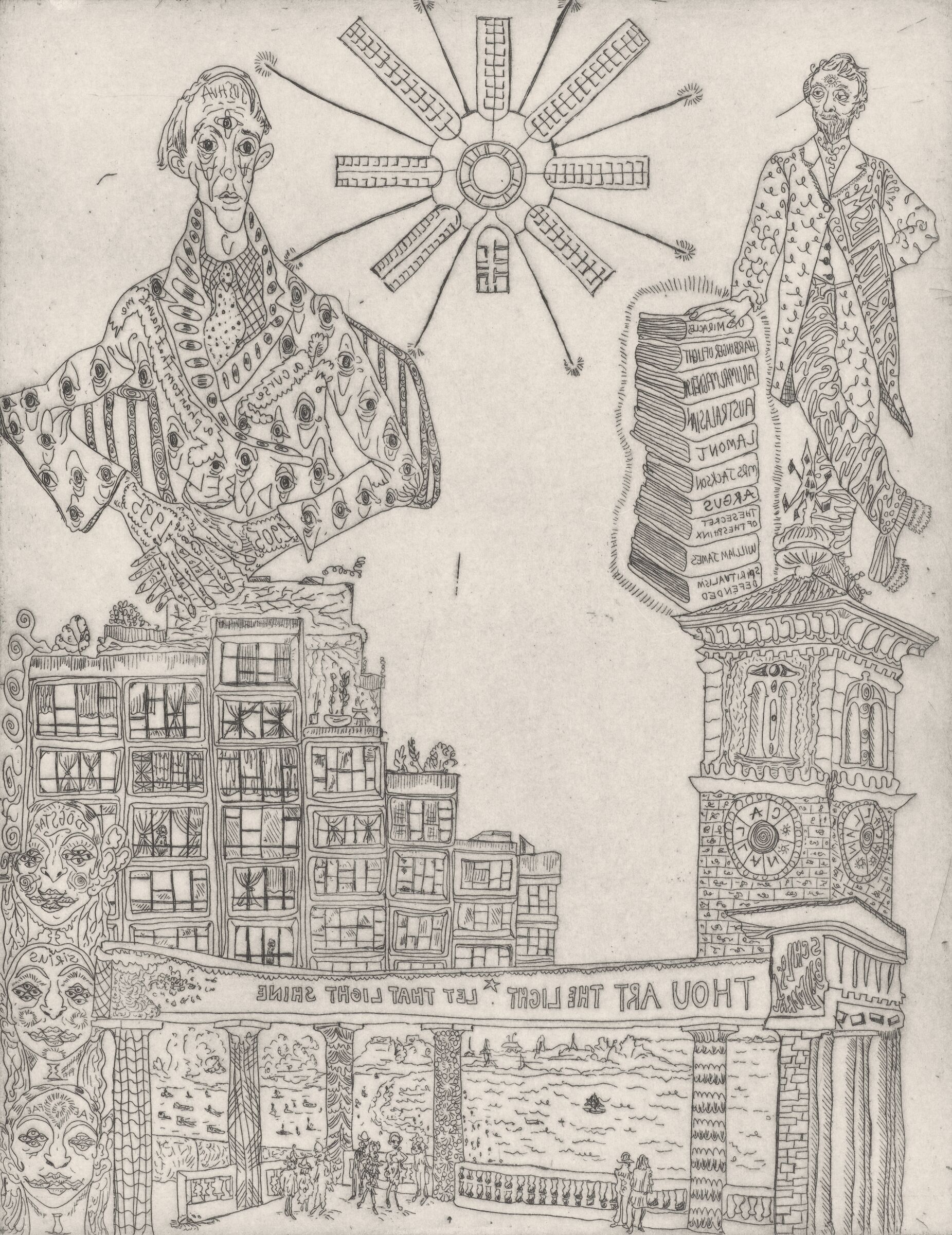
Berlin-based Australian artist Emily Hunt creates intricately layered works that draw on folklore, magic, the occult and art history to explore the ways in which belief systems shape our understanding of the world. Working across diverse mediums including printmaking, sculpture, installation and performance, she combines historical research with imaginative storytelling. In the series Chain of Being, Hunt reimagines influential Australian historical figures associated with spiritualism and esoteric thought through richly symbolic portraits.
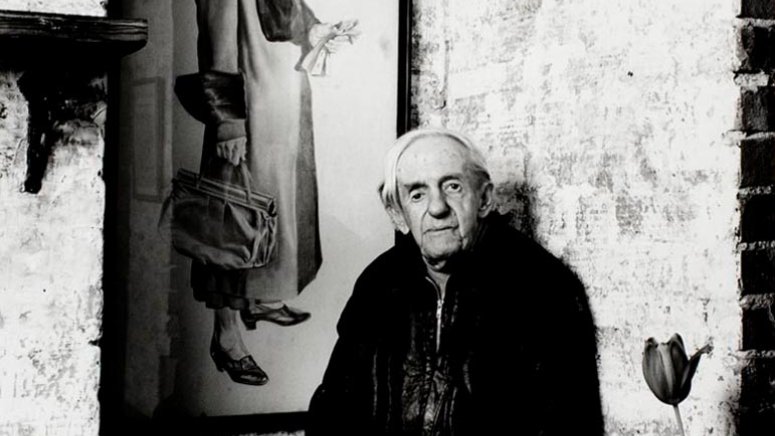
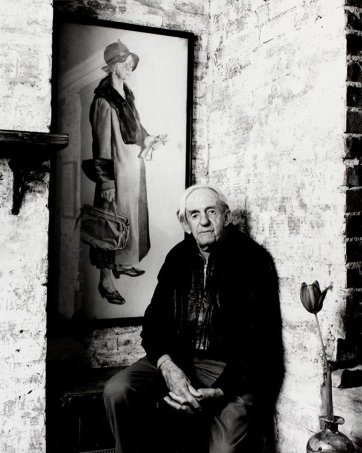
(James Smith / Joshua Smith) Chain of being depicts 19th-century art critic James Smith (1820–1910) within a dreamlike map of Sydney. Hunt presents Smith as a figure of paradox – once an influential and deeply conservative journalist, critic, intellectual and public speaker, his later obsession with spiritualism complicated his public identity. In the portrait Smith leans on a tower of books that signify his writing in publications such as The Argus and The Harbinger of Light. A reference to William Dobell’s painting Joshua Smith looms above Sydney’s Sirius building, evoking the historic legal case that divided the Australian art world when the portrait, which some considered to be a caricature, won the Archibald Prize in 1943. Hunt describes the work as an exploration of ‘hope and disappointment associated with esoteric beliefs or creative dreams’.
Purchased 2024
© Emily Hunt

On one level The Companion talks about the most famous and frontline Australians, but on another it tells us about ourselves.

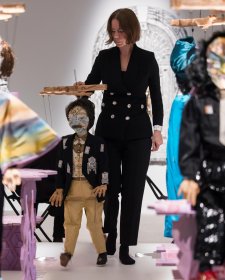
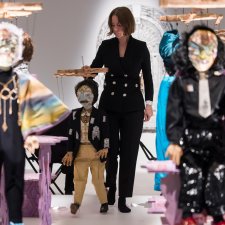
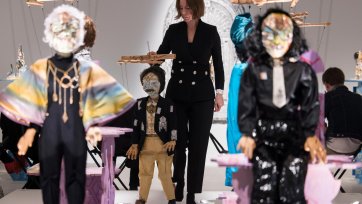
Isobel Parker Philip and Emma Kindred delve into Emily Hunt’s embellished marionettes and intricate etchings which layer history, memory and magic.
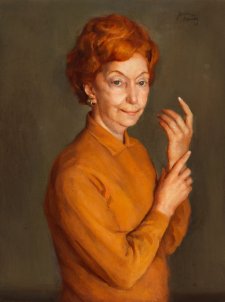

The name of Florence Broadhurst, one of Australia’s most significant wallpaper and textile designers, is now firmly cemented in the canon of Australian art and design.