Menu

The National Portrait Gallery acknowledges the Traditional Custodians of Country throughout Australia and recognises the continuing connection to lands, waters and communities. We pay our respect to Aboriginal and Torres Strait Islander cultures and to Elders both past and present.

Aboriginal and Torres Strait Islander viewers are warned that this website contains images of deceased persons.

50 years of Tina

by Jacqueline Maley, 2 December 2025

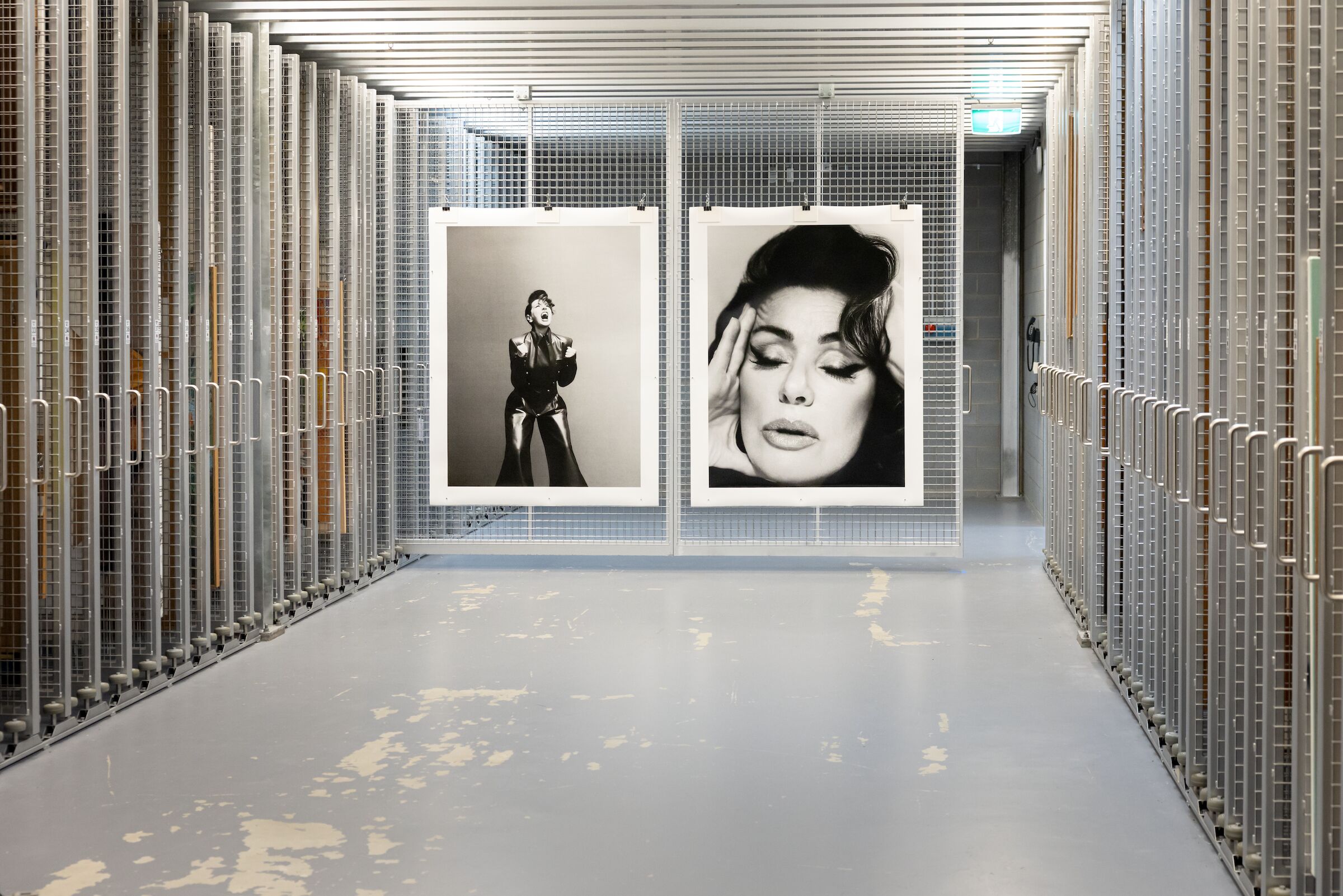
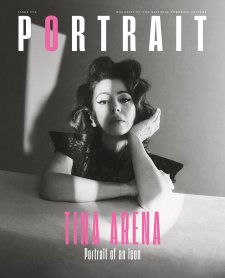
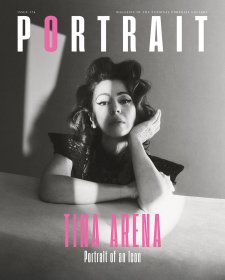
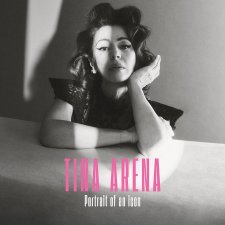
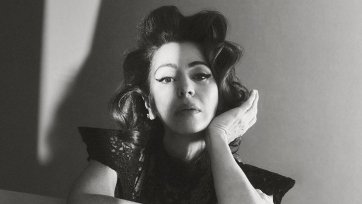
Tina, 2025 Georges Antoni. © National Portrait Gallery of Australia

Georges Antoni had never met Tina Arena but he felt like he already knew her. The renowned fashion photographer grew up in central Queensland, alongside three older sisters who were obsessed with the singer back in the 1980s. Which is to say, before Arena became an internationally award-winning and bestselling artist, a singer in two languages, and the first Australian to be awarded a knighthood of the French National Order of Merit.

The Antonis were a big, happy Lebanese-Australian family. Antoni’s parents had immigrated from Lebanon during the country’s civil war (which lasted from 1975 to 1990) and opened a clothes shop in the remote Queensland town of Blackall. In 1980s Australia, the young Arena, a star of Young Talent Time from the age of eight, was the only person on television who looked like the Antonis. Olive-skinned and dark-haired, the Italian-Australian Arena was the platonic ideal of Mediterranean beauty, although it was not an ideal that was widely celebrated at the time.

And so, despite having carved out a successful career photographing models and celebrities for mostly commercial campaigns, Antoni was starstruck – to the point of being incapacitated – when he was offered the commission. ‘I was told there was an opportunity to work for the National Portrait Gallery,’ he says. ‘When I knew it was Tina, I flipped out. Because I had my own relationship with Tina, like every Australian does, as a consumer of her music and profile.’

As for Arena, she was ‘shocked and thrilled’ when she was told the Gallery wanted to commission a portrait of her. ‘I thought, “Oh wow,”’ she tells me, from her home in Melbourne. ‘And then I thought, “Oh yeah, 50 years. That makes more sense that they would want to inaugurate a portrait, when you have worked that long in an industry”.’

Arena is a unique pop star and a unique cultural icon because she is an admixture of known and unknown. She is a household name in Australia but forged much of her career in France. She is a beauty who has never been featured on the cover of a glossy women’s magazine in her homeland. She is one of Australia’s most successful music artists, having sold 10 million records worldwide, and yet she has been more celebrated in Europe than she has in Australia.

Most Australians over the age of about 40 could sing a few lines of Arena’s biggest hits – ‘Chains’, perhaps, or ‘Sorrento Moon’ – but they couldn’t tell you much, if anything, about the life story of this diminutive yet forceful singer. And as any photographic artist will tell you, this confluence of known and unknown, of the familiar and the foreign, makes for a perfect portrait subject.

It was also a daunting task for Antoni, who says he experiences crippling self-doubt before every photo shoot. ‘I have to be honest, I feel imposter syndrome every day. I think every day is going to be the day I really stuff it up. I genuinely have that with every shoot.’

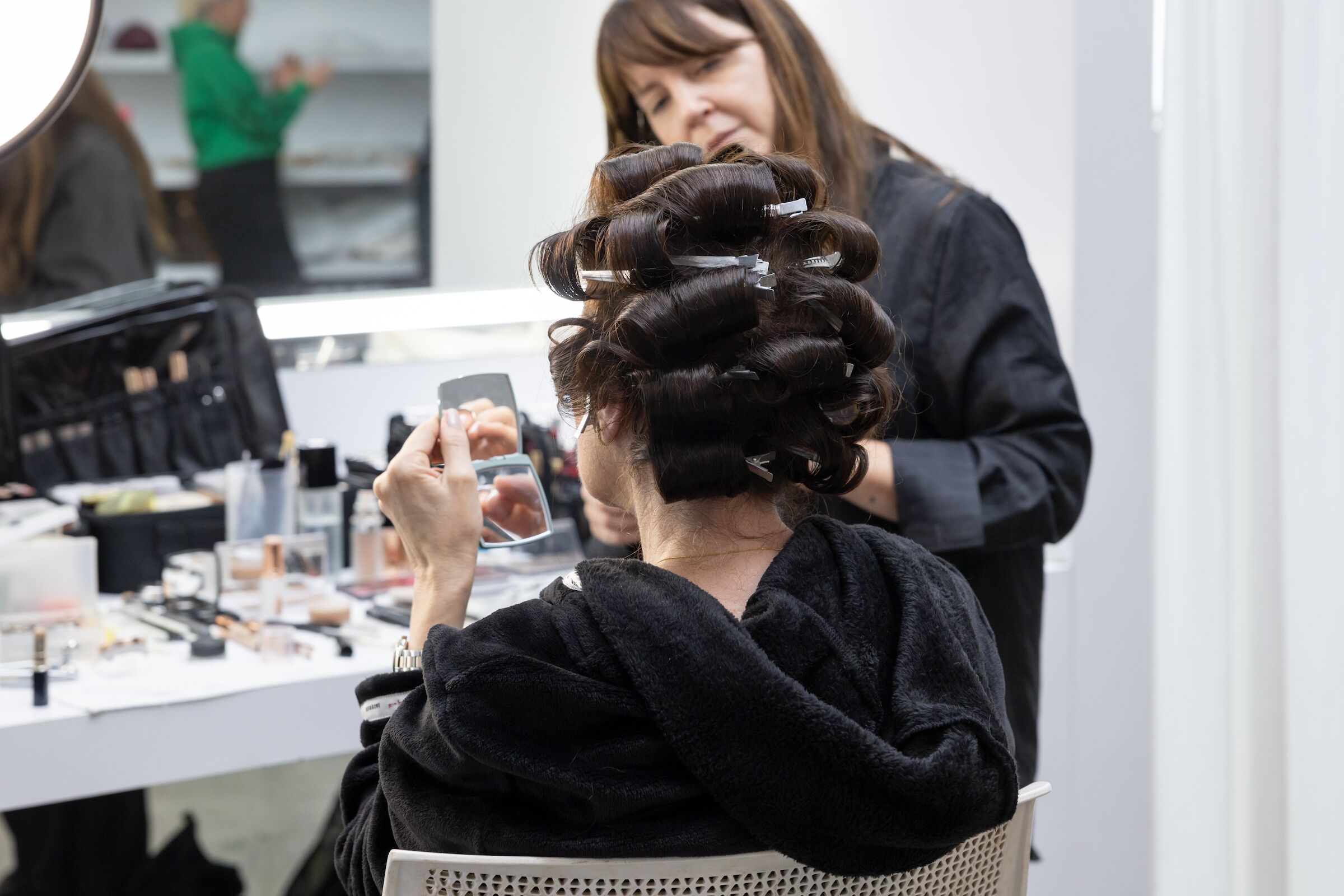
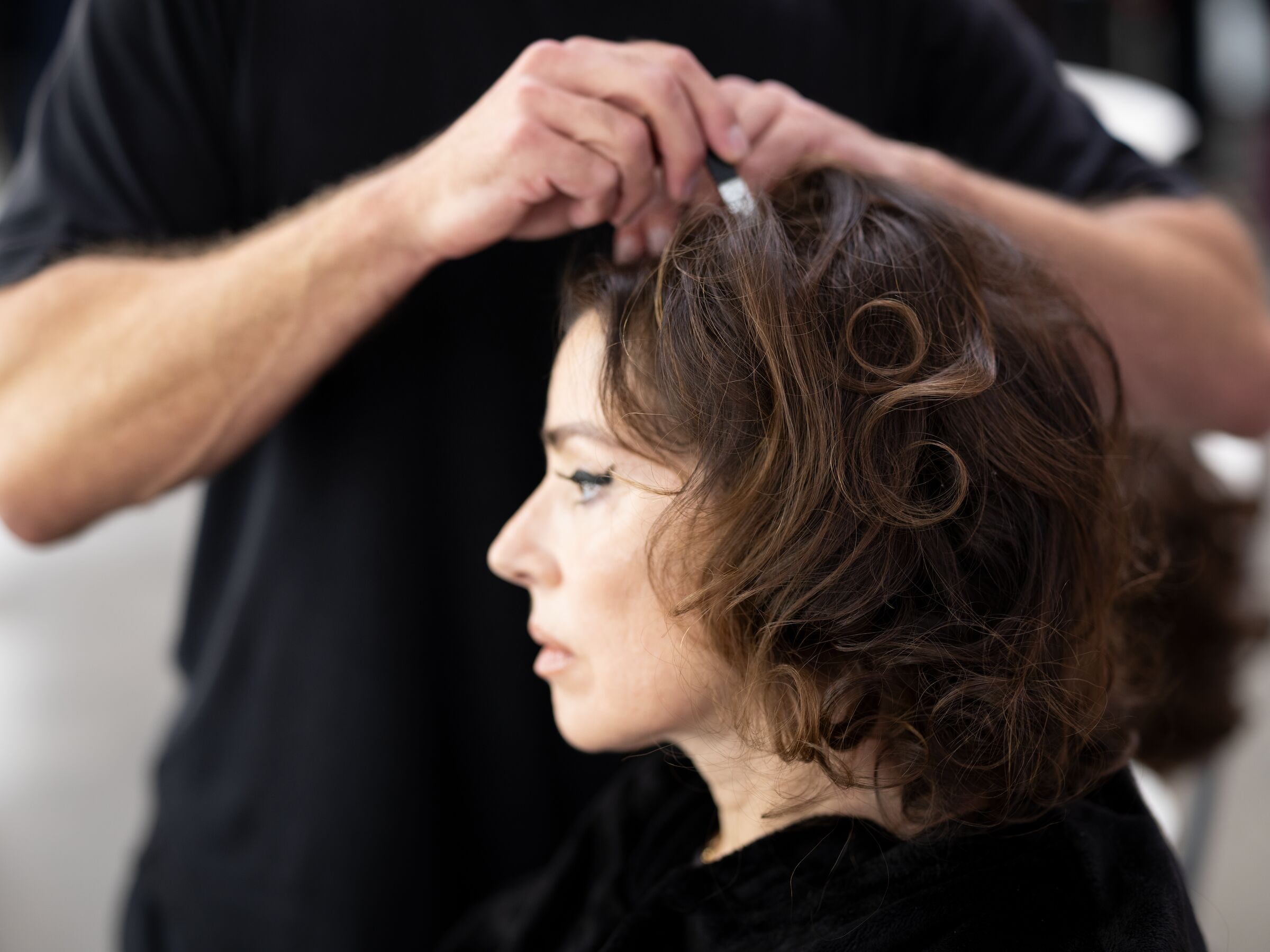
Preparation is the best antidote. Artist and subject had their first interaction in a phone call several months before the scheduled shoot, together with the Gallery team and Arena’s stylist and hair and makeup artists. ‘I got a better understanding of her strength. I understood her more as a person,’ Antoni says. ‘She has a powerful strong personality, with these subtle levels of softness. I realised the importance of her ethnic roots – she made that very clear.’

During Arena’s time on YTT (she first appeared as a contestant in 1974 and was a permanent cast member from 1976–1983), Australian television was very white and mostly male. Programming was dominated by game shows like Sale of the Century or variety shows like Hey Hey It’s Saturday. Bush-nostalgia dramas like A Town Like Alice and A Country Practice shared screen time with British comedies like The Benny Hill Show and The Two Ronnies. Non-white faces were scarce, bordering on entirely absent, but for the weekly episode of The Cosby Show.

This was not the most natural or welcoming environment for the child of working-class Sicilian immigrants, a girl from Melbourne with the first name of Pina (short for Filippina). Which is one of the reasons why Arena literally changed her name to fit in. When she was first chosen to appear on YTT, the producers asked her to change her name to ‘Tina’, so as to be more ‘relatable’ to a mainstream audience. ‘In the 70s it was pretty rough being on TV as the daughter of immigrants,’ Arena says. ‘We were really bullied at school. Kids weren’t always very nice. We had to deal with a great deal of racism. It’s not easy for a young kid to be exposed to that weight and that judgement.’ As a result, she internalised some negative feelings about her ethnicity. ‘For many years, I was perhaps a bit … not shamed, or embarrassed, but I didn’t want to celebrate the fact that I was Italian.’

Times have changed. For the portrait that marks her 50 years in the industry, Arena’s heritage is central. Antoni’s preparation for the shoot was not focused on technical elements so much as it was a contemplation of ‘philosophy’, he says. ‘I wanted to make sure that she looked incredibly beautiful, and that you wanted to gasp when you saw the pictures. It’s an indictment on us in the fashion industry that we never portrayed her that way.’ Determined to emphasise Arena’s ethnicity, as opposed to airbrushing it, as it so often had been, Antoni immersed himself in Italian cinematic references from the 1960s and 70s. ‘I watched a few Fellinis and early Monica Bellucci films, to let that wash over me, to work out what the style of capture would be. I also looked at old French New Wave films. I wanted to make a visual element that was aged and then bring in modernity through the clothes. I didn’t want the portrait to look old but I also didn’t want it to look new. If it was a purely modern portrait, it wouldn’t stand the test of time and it wouldn’t tell Tina’s story.’

The result was that Antoni went into the shoot with a vague plan for ‘an ambiguous time stamp and ethnically influenced makeup and hair, then see what happens, with the sole guidance that we are trying to bring out her beauty’. In a 2023 interview with digital magazine ART-CLE, Antoni described his role as photographer: ‘I am fascinated with the concept of ego in photographs, meaning: how much of you is in the photograph, rather than: look how great I am’. He likes to create an atmosphere, evoke some emotion in his subject, then stand back and see where things go.

Arena arrived at the Sydney studio with no preconceptions and no plan. Refreshingly for an artist of her stature, she was willing to hand over the creative controls to the specialist, her portraitist. ‘I was like, look, when you unleash a collective of those kinds of minds, I’m not about to micro-manage them. You guys tell me where to be and what to do,’ she says.

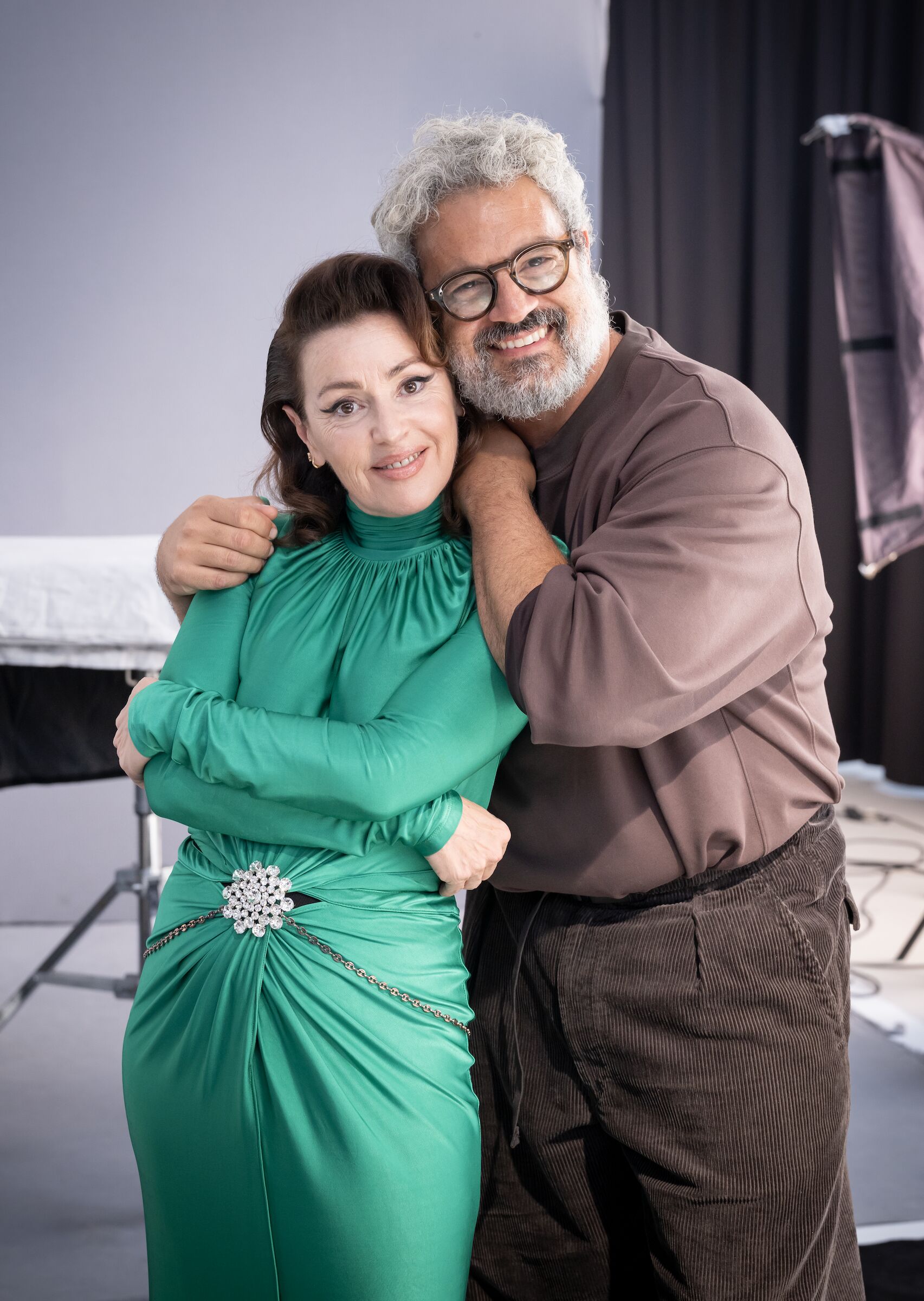
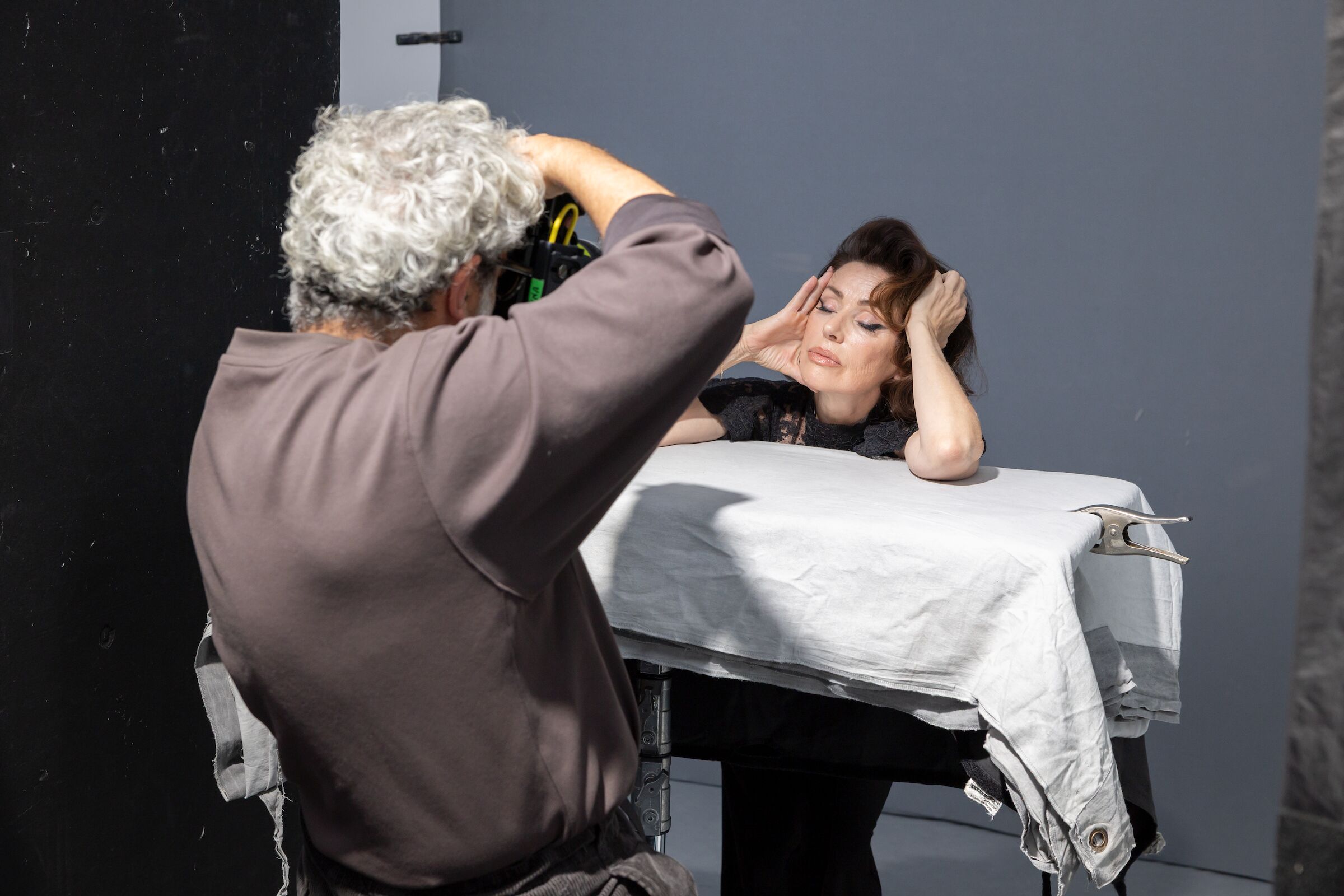
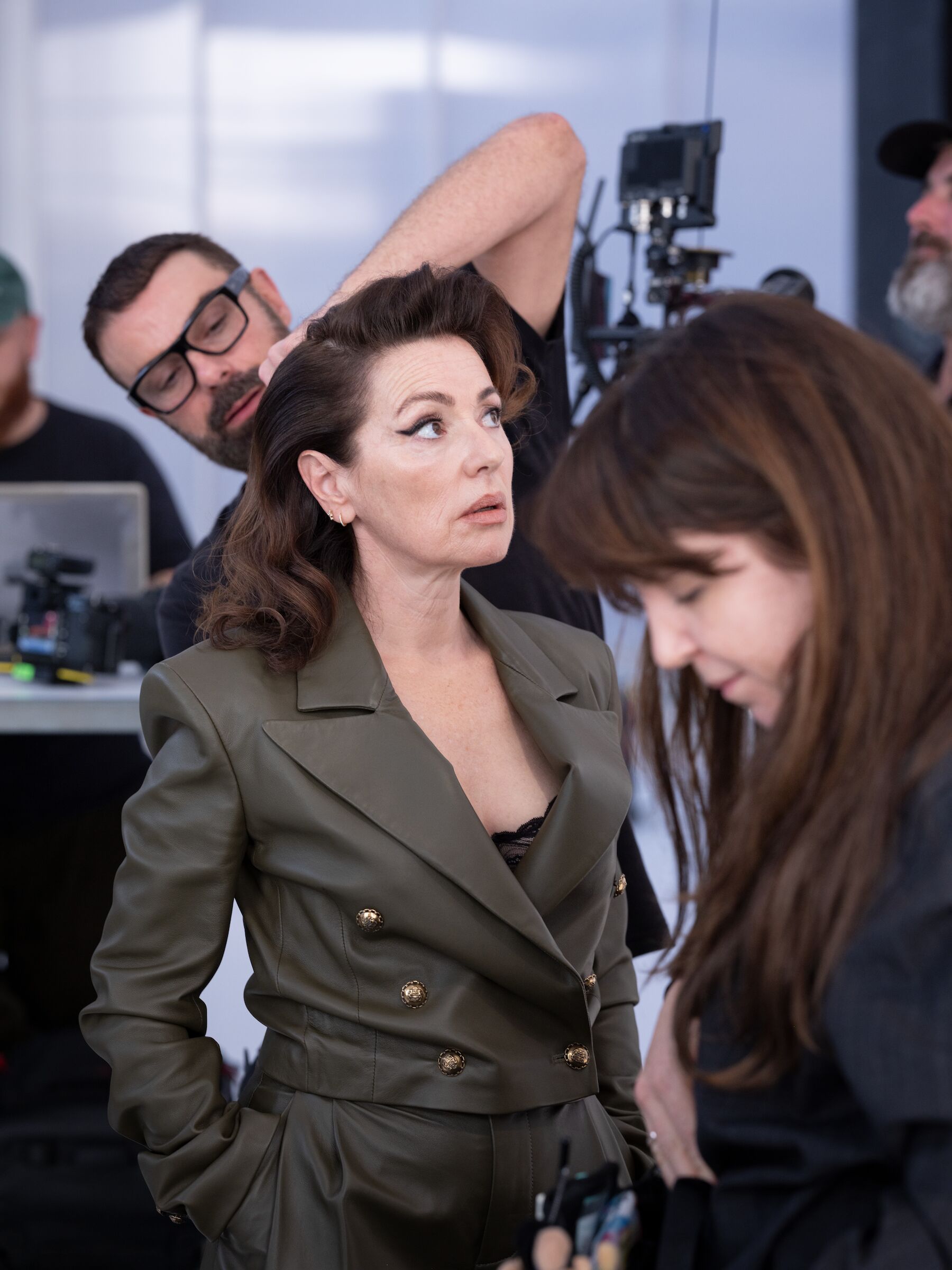
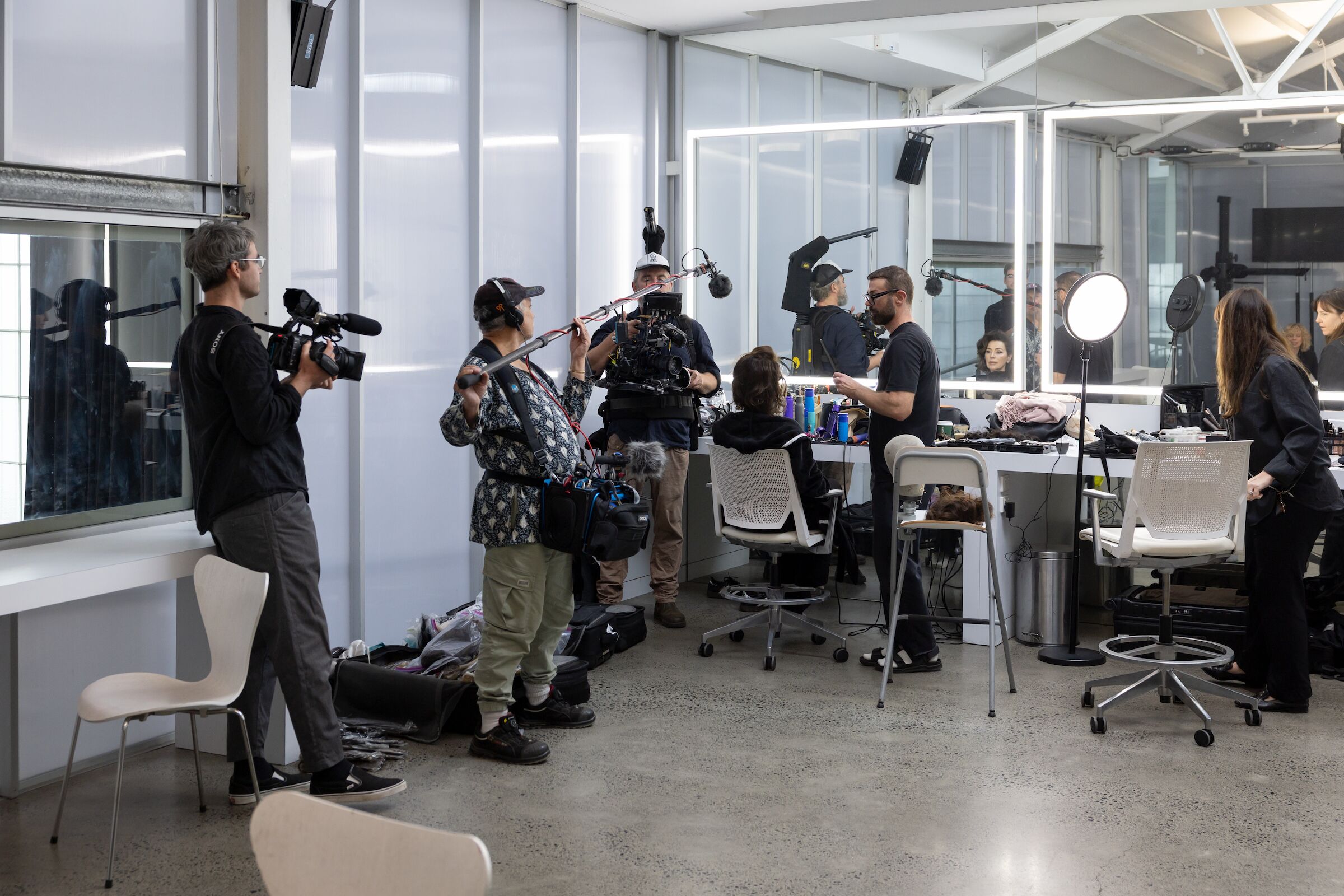
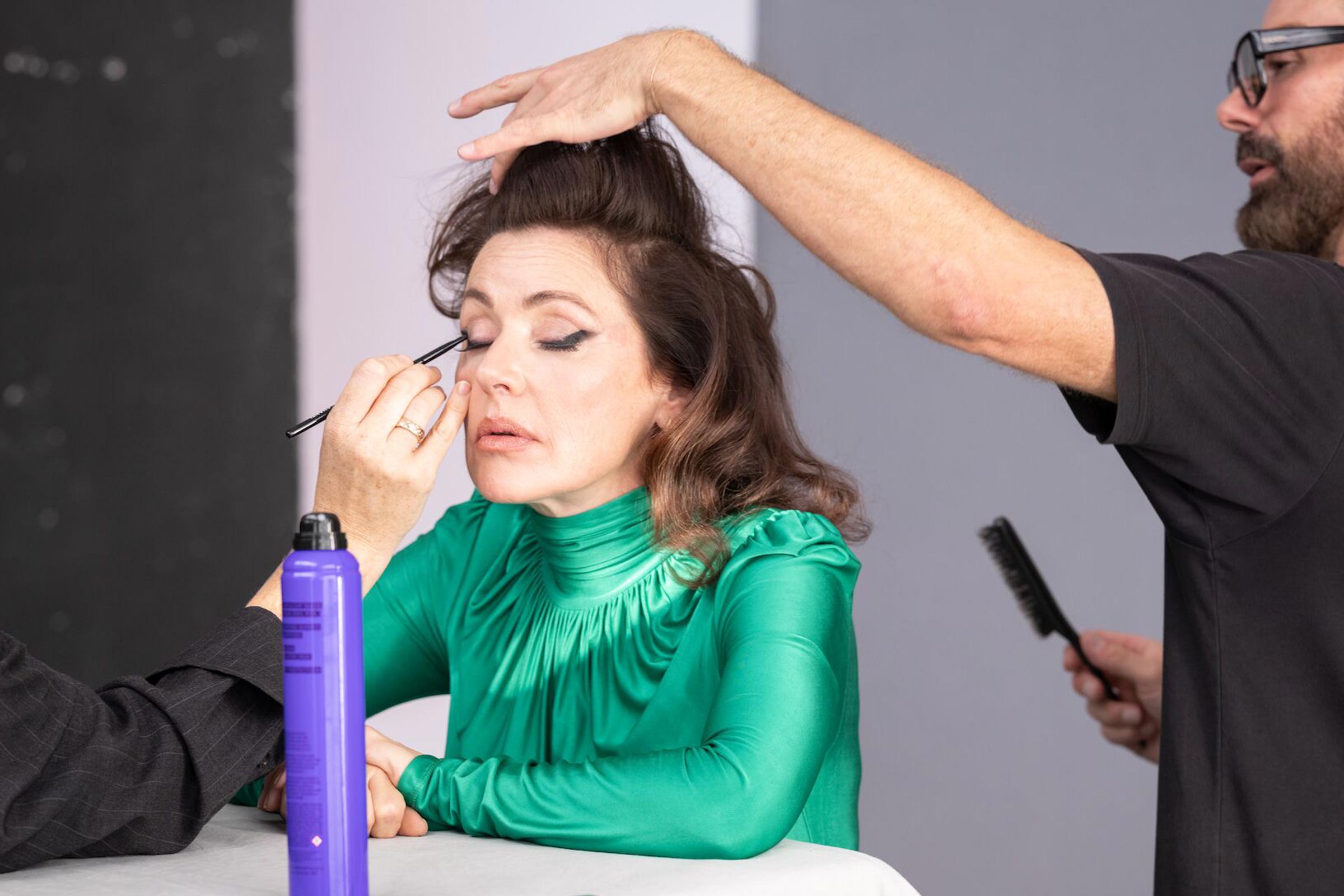
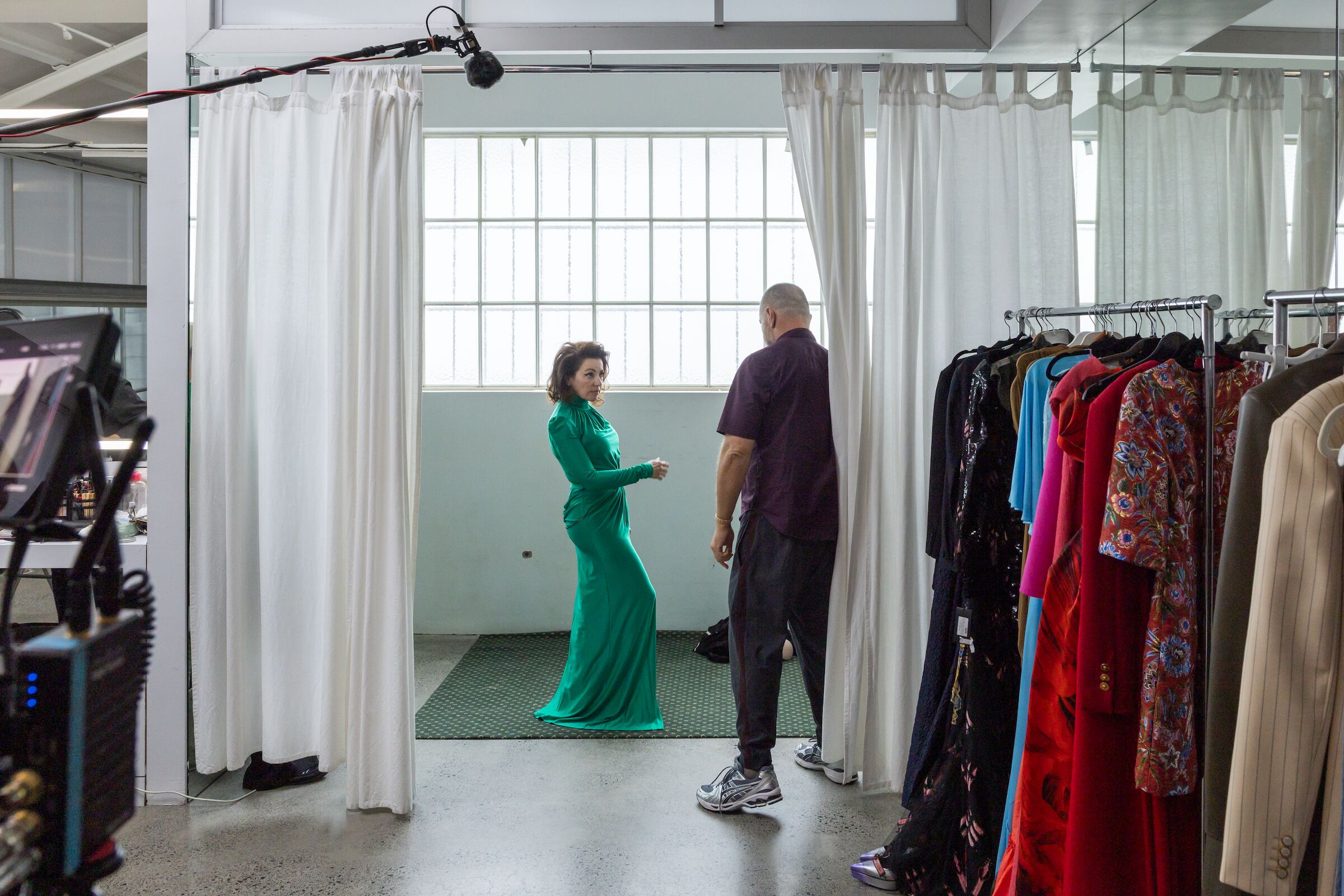
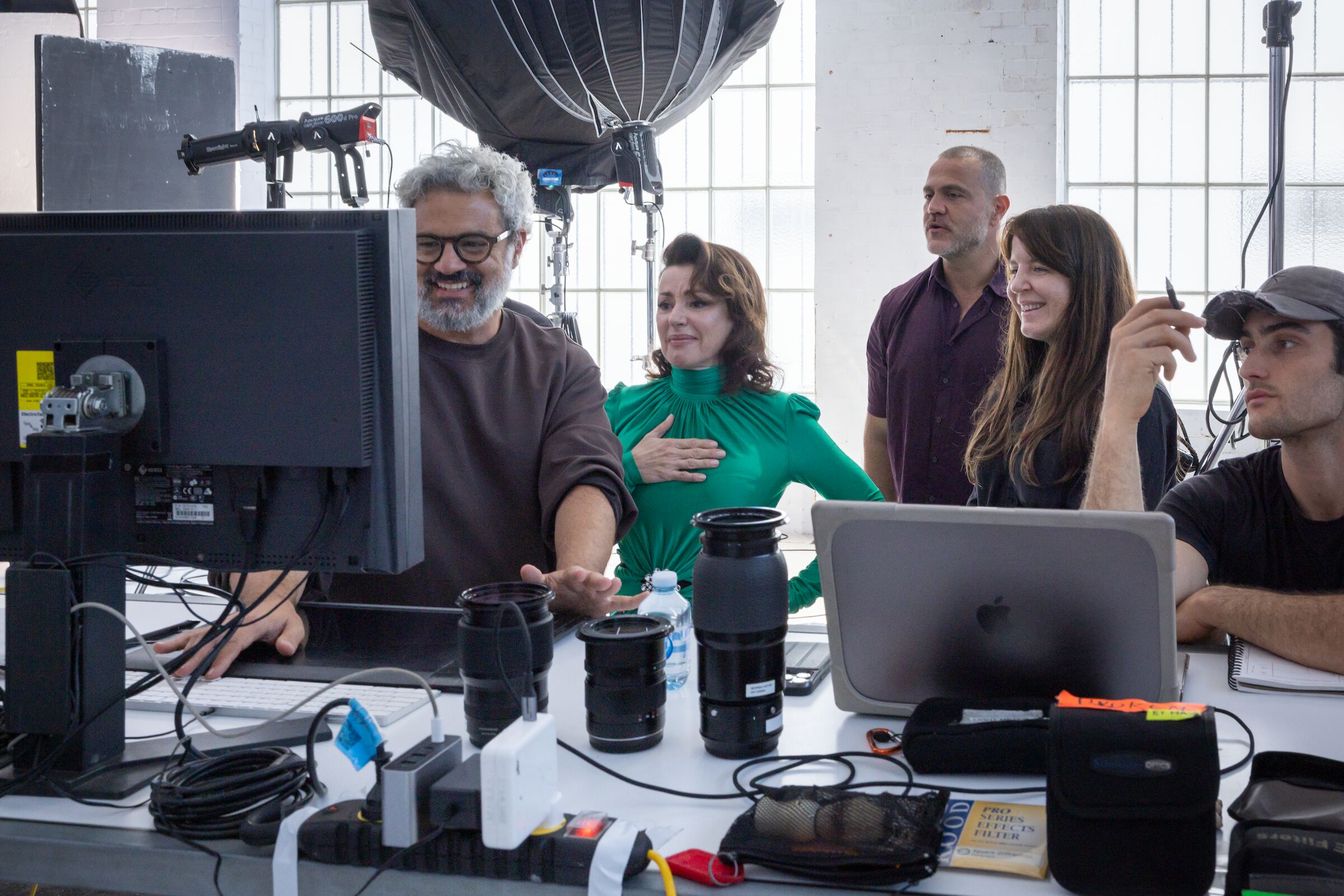
The atmosphere was calm, peaceful, and by turns playful and loud, Arena says. They worked from 7:30am to 6:00pm, and ‘there was a lot of conversation. We are both the children of immigrants. We are both very close with our families. We had a lot of communalities,’ the singer recounts. ‘It was really open and engaged. It felt like I had met Georges before, I was so comfortable in his presence. I think that’s why we achieved what we achieved, because there was a genuine beautiful intent from everybody’s perspective. A lot of positivity and respect.’

Says Antoni: ‘It was one of those lucky days when everything we threw at the wall, stuck. I feel like it’s my job on shoots to conduct the energy, not really to conduct the shoot. If the energy is good it doesn’t matter what the technicality is.’

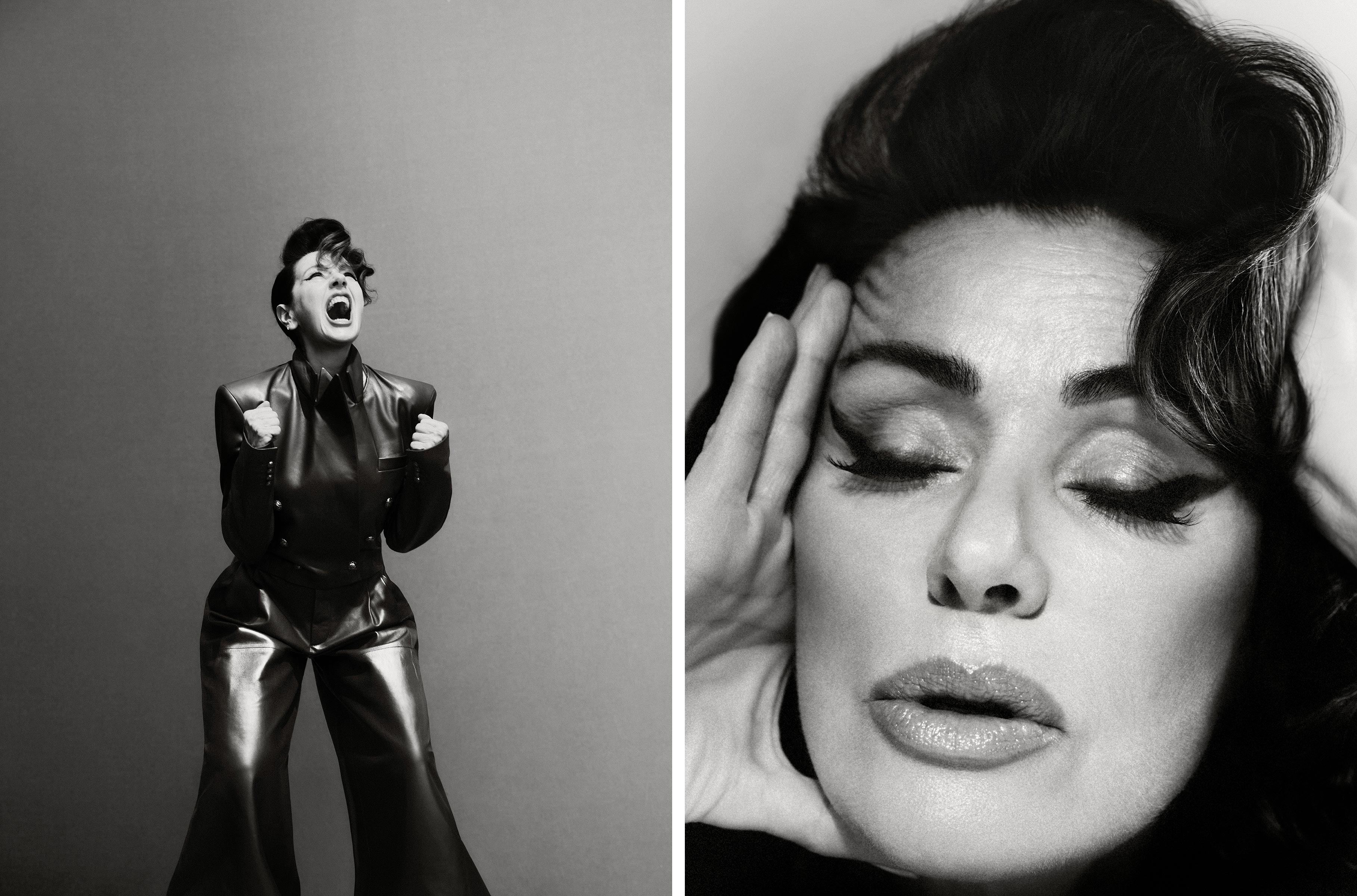
Antoni shot 4000-odd frames that day, and within that, about four or five portraits with different clothing, hair and makeup. When it came to selecting photographs, he was happy the Gallery opted for a diptych. In one portrait, rendered in black and white, Arena is the Bellucci glamour, a diva at rest, with full, dark eyebrows and lips. ‘That photo is incredibly important,’ Arena says. ‘It is an ode to 1960s and 70s Italian cinema. It is quite Fellini-esque. And that’s who I am, a dual national. That sometimes made me feel a bit misplaced, but now I don’t intellectualise it. I just say I am lucky to have both those things.’

In the other selected portrait, Arena is dressed in a futuristic leather jumpsuit by Australian label Zimmermann. Her fists clenched, she looks skyward and emotes with her mouth open – either in a scream, a cry, a sob or a laugh. Or maybe a mixture of all those things. ‘That is a photo that summates what a career requires over five decades,’ Arena says. ‘It makes you angry. It gives you strength. It makes you feel every emotion.’

The image is also an open declaration of the passion that she was sometimes subtly shamed for, as a young Italian-Australian woman. ‘When I was growing up, people would think I was incredibly feisty. I think it’s been difficult for people to understand me in many ways. I was raised and educated by two Italians who came here with nothing, and who believed in expression. I was always one of those kids who was really expressive and I am not sure people understood that back then. It’s certainly different now, thank God.’ Arena says the two selected portraits are ‘a celebration’. ‘I hope we now really pay homage to the different cultures in this country.’

I ask Antoni what it means to him to have his work displayed in the National Portrait Gallery. One of his works – a portrait of fashion designer Carla Zampatti – was acquired by the Gallery in 2016. But to be chosen and sought out for a commissioned work by an institution with the stature of the Gallery is an even greater honour, he says. ‘I can’t really explain what it means to me. I never, ever thought it would happen.’

The photographer takes a deep breath. ‘Let me put it to you like this: my mum and dad came down to Canberra for the launch of the portrait. They’re in their 80s. I was originally a lawyer, and I rang up my mum and dad one day and said, “I think I want to take pictures”. They said I should do whatever I wanted to do because you only live once.’ Coming to the Gallery to see the unveiling of their son’s work, they could see that ‘the gamble paid off’, Antoni says. ‘It was a recognition outside of themselves, of the courage they gave me to do what I wanted to do. That had to be the biggest privilege for me, seeing their faces.’

As for Arena, she looks on the portrait as a testament to the sacrifice and commitment made in forging a long career in the arts. ‘It’s a real achievement. To be able to be on those walls is a reflection of somebody that’s put in [the work]. I feel it’s where I belong, as well.’ She pauses. ‘I would never have said that once upon a time. I’m not ashamed to say that now. I have a place on those walls. And I’m very proud of that.’

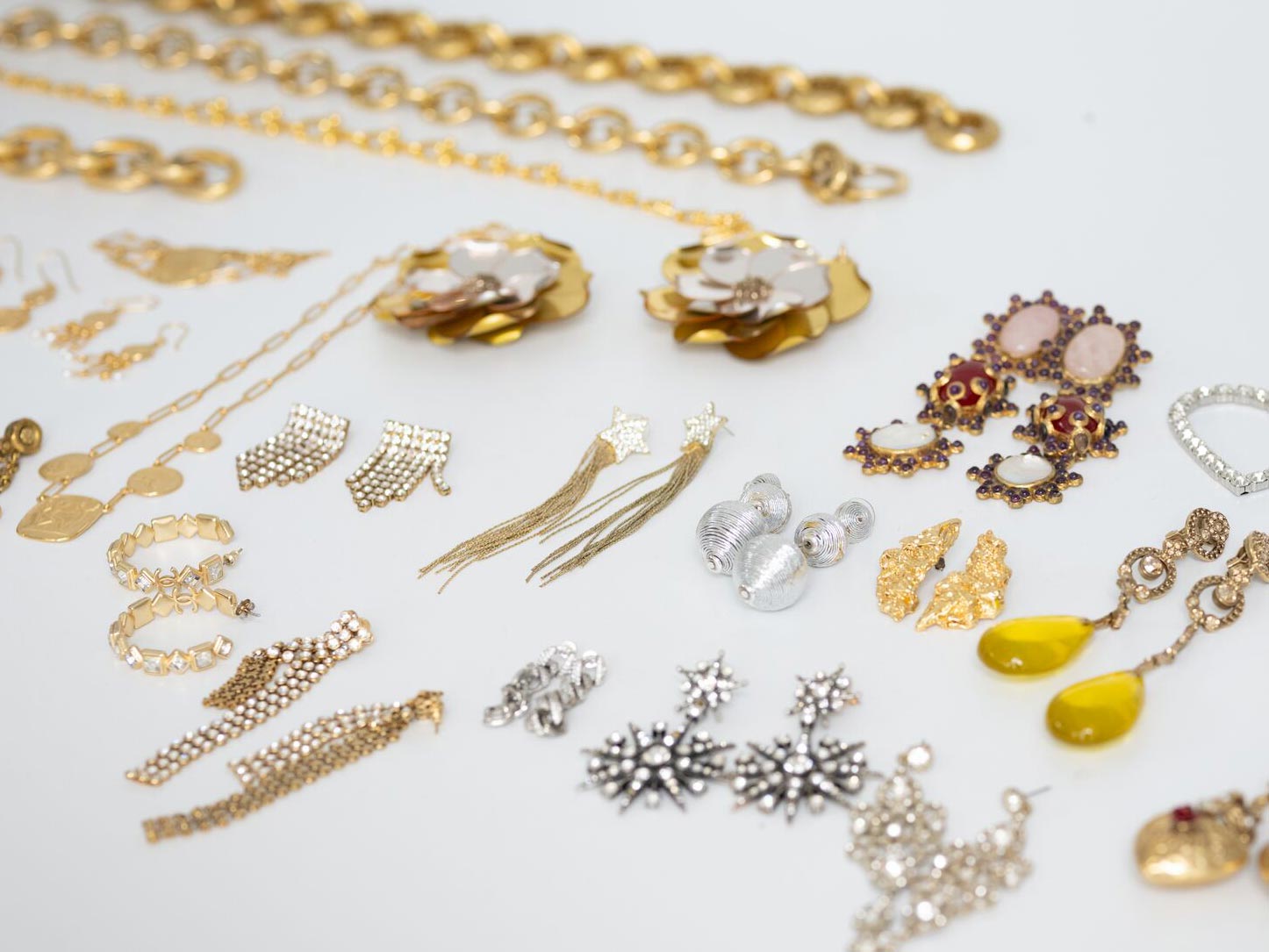
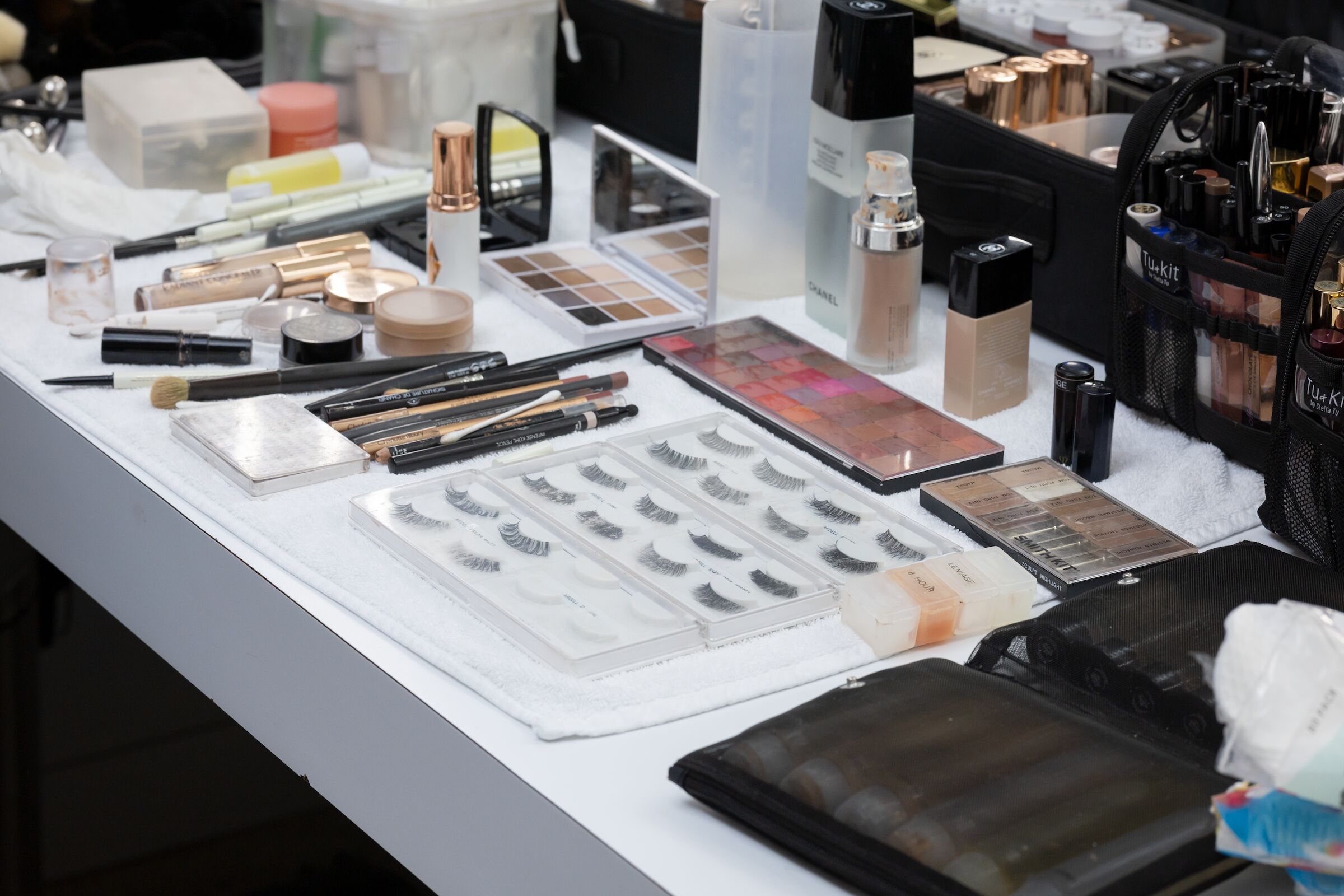
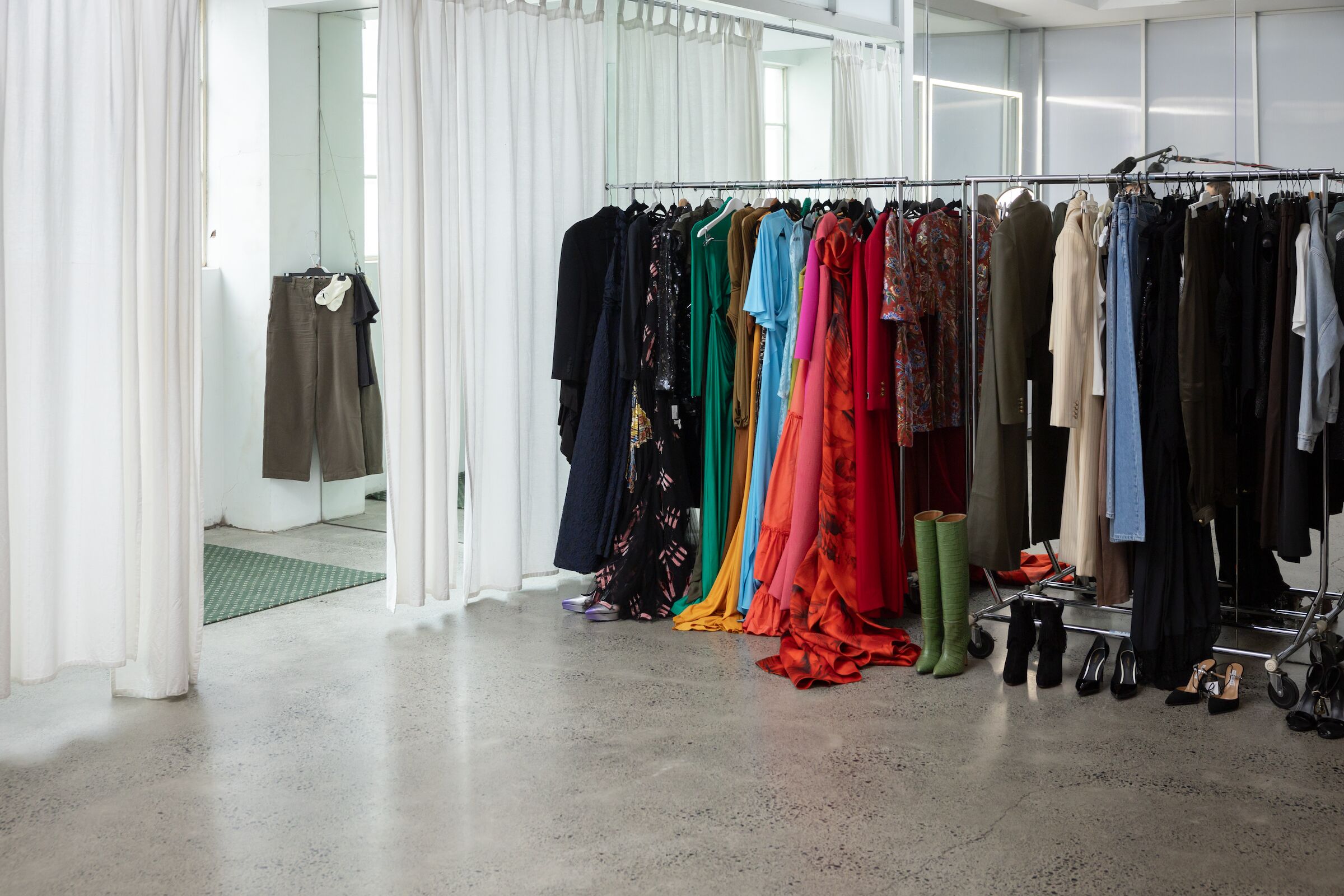
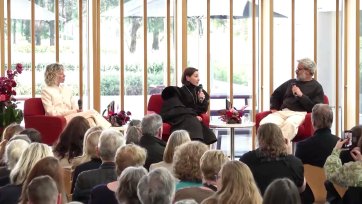
All behind-the-scenes photography by Mark Mohell.
Related people

Tina Arena AM

Georges Antoni

© National Portrait Gallery 2026
King Edward Terrace, Parkes
Canberra, ACT 2600, Australia

Phone +61 2 6102 7000
ABN: 54 74 277 1196

The National Portrait Gallery acknowledges the Traditional Custodians of Country throughout Australia and recognises the continuing connection to lands, waters and communities. We pay our respect to Aboriginal and Torres Strait Islander cultures and to Elders past and present. We respectfully advise that this site includes works by, images of, names of, voices of and references to deceased people.

This website comprises and contains copyrighted materials and works. Copyright in all materials and/or works comprising or contained within this website remains with the National Portrait Gallery and other copyright owners as specified.

The National Portrait Gallery respects the artistic and intellectual property rights of others. The use of images of works of art reproduced on this website and all other content may be restricted under the Australian Copyright Act 1968 (Cth). Requests for a reproduction of a work of art or other content can be made through a Reproduction request. For further information please contact NPG Copyright.

The National Portrait Gallery is an Australian Government Agency