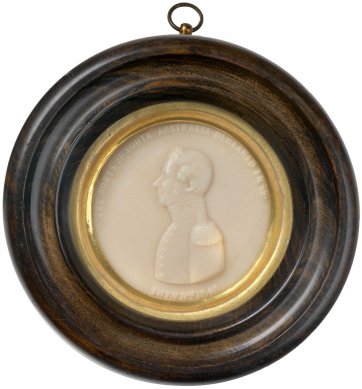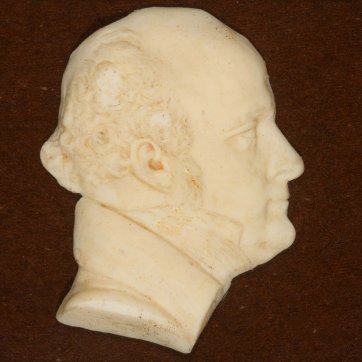
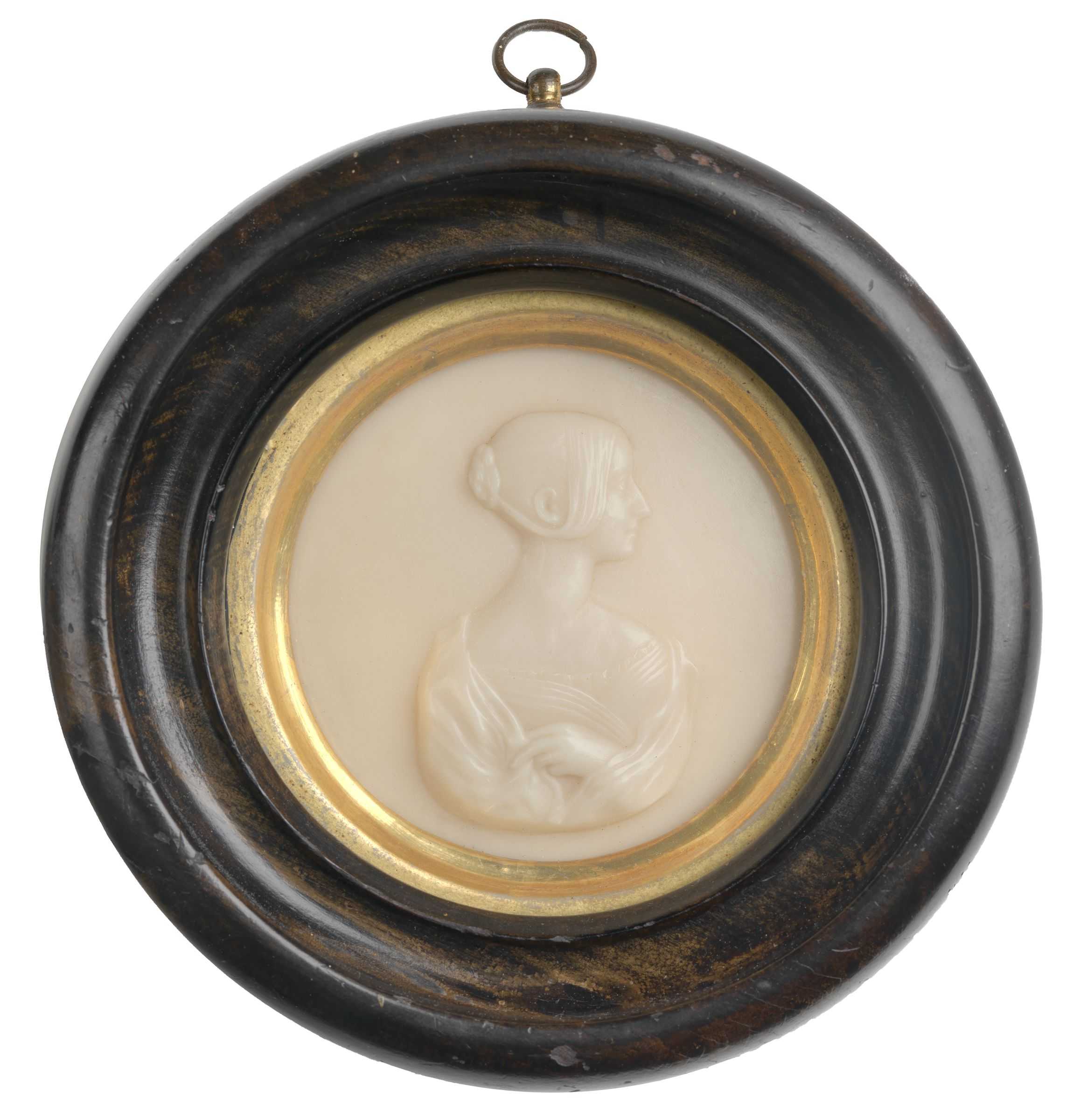
Theresa Walker is recognised as Australia’s first professional female sculptor and one of the most accomplished artists working in South Australia during the 1840s. Trained in England, she arrived in Australia in 1837 and established a successful practice creating portrait medallions in coloured wax, a medium prized in the 19th century for its ability to capture delicate facial features and subtle modelling. Walker built a remarkable record of colonial society, portraying governors, clergy and other notable figures.
These portraits depict Lady Eliza Lucy Grey (c. 1819–1898) and Sir George Grey (1812–1898), Governor of South Australia from 1841–45. Acknowledged during his lifetime for his administrative abilities and his studies of First Nations languages and cultures, today Grey’s legacy is understood more critically. His policies of British expansion and compulsory assimilation advanced colonial interests and contributed to the dispossession of First Nations peoples. Lady Grey was profoundly affected by the death of their only child in 1841. The couple’s marriage deteriorated and they lived apart for much of the remainder of their lives. Beyond being a rare, paired representation of one of colonial South Australia’s prominent couples, the medallions highlight the significant contribution women artists made to the development of portraiture in Australia.
Purchased 1999
On one level The Companion talks about the most famous and frontline Australians, but on another it tells us about ourselves.
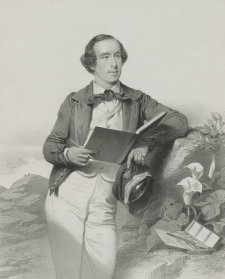
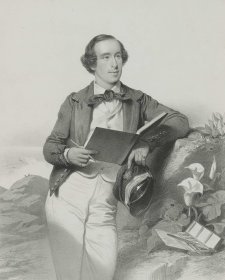
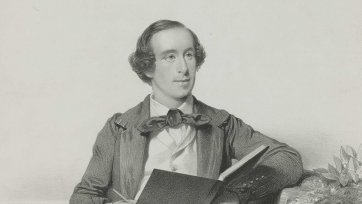
Dr Sarah Engledow explores the lives of Sir George Grey and his wife Eliza, the subjects of a pair of wax medallions in the National Portrait Gallery's collection.
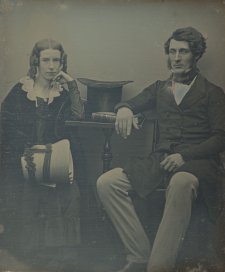
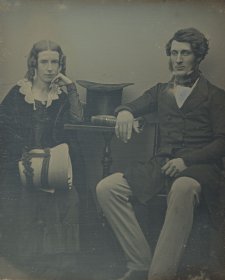
'I have just been to my dressing case to take a peep at you.