© National Portrait Gallery 2026
King Edward Terrace, Parkes
Canberra, ACT 2600, Australia
Phone +61 2 6102 7000
ABN: 54 74 277 1196

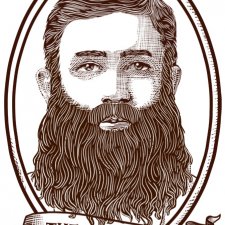
A philosopher-style of beard – thick and lengthy; a greyer, hence wiser version of the Burke; and suited to older men who saw themselves as sagacious or statesmanlike.
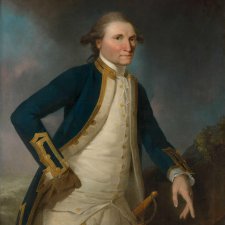
Changes in facial fashions from the 1780s to the present day.
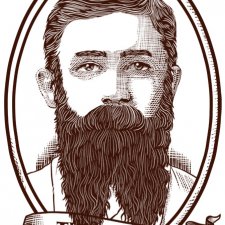
It wasn’t uncommon for the pro-beard fraternity of the mid nineteenth century to cite beards as a sign of wisdom on the grounds that Socrates and other ancient philosophers had worn them.
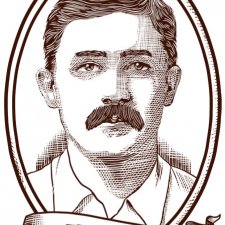
Being hirsute was the go in the 1850s, 60s and 70s; but around about the 1880s the beard began to wane.
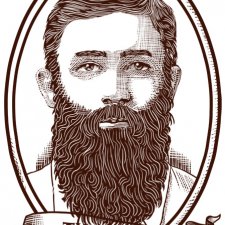
A big daddy of a beard; long; bushy; rugged, but not unkempt; typically found on the faces of explorers or bushrangers.
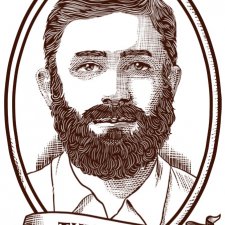
A strong, silent type of beard; bushy and manly, but also shaped and contained, a restrained version of a Burke or a Parkes.
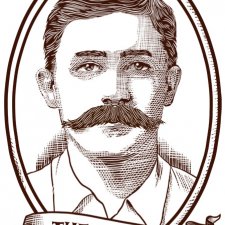
It’s curious that one of the writers most associated with the toughness of Australian bush life was himself not an exponent of the matted, rugged bushman sort of beard.

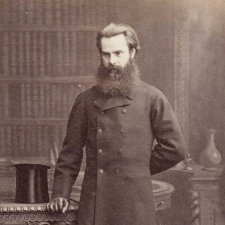
The restrained and cultivated facial hair fashions evident through the first decades of the 1800s were on the wane by the middle of the century, when hirsute faces became mainstream.
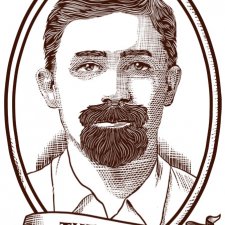
Somewhat like the Lambert but more avuncular, more businesslike, less dandified or effete – the sort of style you’d expect to see on a bank manager in the 1920s.
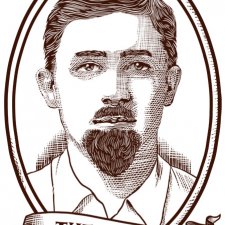
A facial hair style suggesting something of the boys’-own type of chap who seems to have had much currency in the early years of the twentieth century.

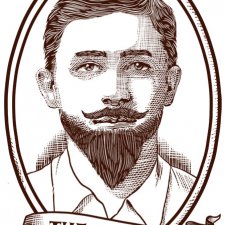
Barbering manuals of the turn of the century might describe this style as a ‘Van Dyck’, named after the Dutch painter Anthony van Dyck (1599–1641) who is known to have adopted this look.
Eighteenth century men differed from those of the preceding centuries in their preference for beardlessness.
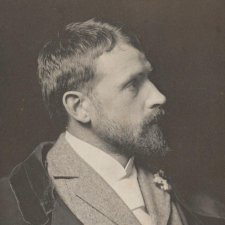
Although the tough, weathered, hard-drinking bushmen of the kind mythologised by writers like Banjo Paterson and Henry Lawson are popularly associated with the character of late nineteenth century Australia, it was also a time when alternative ideas about identity began to come into play.