© National Portrait Gallery 2026
King Edward Terrace, Parkes
Canberra, ACT 2600, Australia
Phone +61 2 6102 7000
ABN: 54 74 277 1196

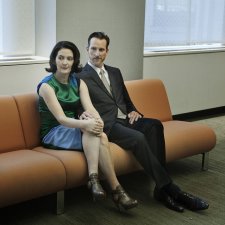
Joanna Gilmour, National Photographic Portrait Prize judge and curator, introduces the 2012 Prize.
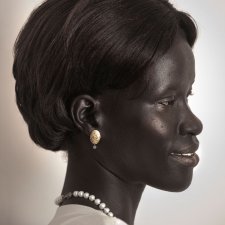
Joanna Gilmour, National Photographic Portrait Prize judge and curator, introduces the 2013 Prize.
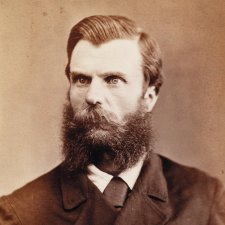
Photography played a significant role in the circulation of messages about law and order, and in the creation of sensation and celebrity.
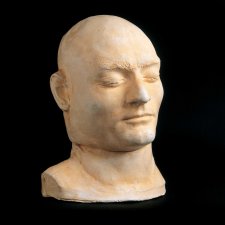
Waxworks were among the various types of entertainment venue to emerge in Australian cities in the mid-nineteenth century.
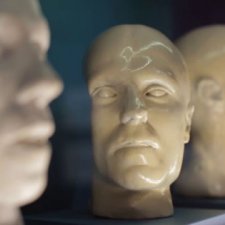
Though initially developed by physicians, phrenology was taken up by certain non-medical practitioners who applied the theory to social questions such as education and criminal reform.
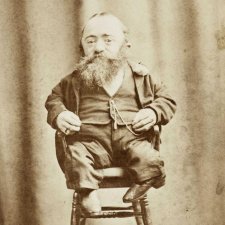
Many performers availed themselves of the services of photographic studios, posing for carte de visite portraits that served as souvenirs and as instruments in the making of renown and notoriety.
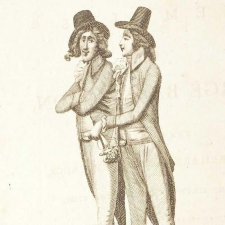
By the end of the eighteenth century, crime, criminals and punishment were standard subjects for those engaged in the English print trade.
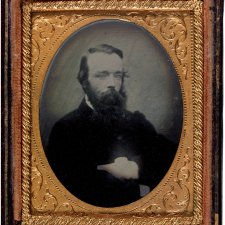
The Victorian era has been described as one wherein death was a part of everyday experience. People died at home having been nursed in their final illnesses by family members.

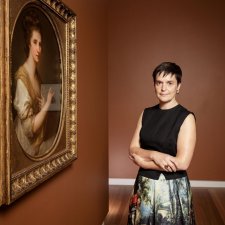
An Auslan interpreted program with Curator, Collection & Research, Joanna Gilmour, exploring some of the stories, artworks and people who have made it to our shores (and walls of the Gallery!).


Bushrangers, oddities, true crime and scandal come together in this modern day cabinet of curiosities.
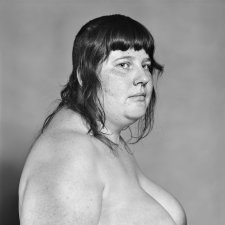
Shea Kirk’s portrait of friend and fellow-artist Emma Armstrong-Porter has won the 2023 National Photographic Portrait Prize.
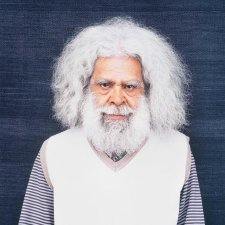
Exploring select works from the NPPP 2012. For secondary students.
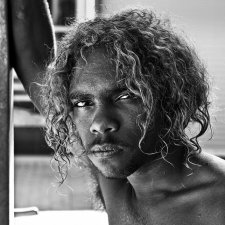
Dr Christopher Chapman, National Photographic Portrait Prize judge and curator, introduces the 2010 Prize.