© National Portrait Gallery 2026
King Edward Terrace, Parkes
Canberra, ACT 2600, Australia
Phone +61 2 6102 7000
ABN: 54 74 277 1196

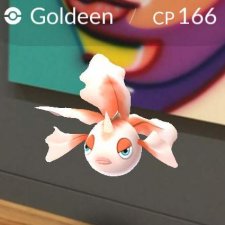
Angus Trumble grabs his life jacket and rides the Pokémon GO tsunami.
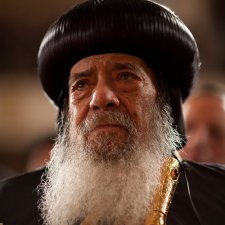
In honour of the launch of the Popular Pet Show, Angus recalls a diplomatic incident with an over-excited golden retriever.
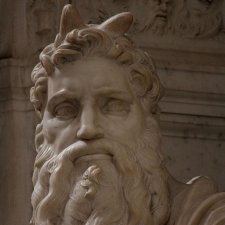
Angus Trumble explores the creative manifestations of radiance.
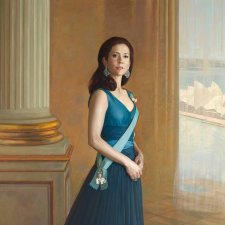
The Chairman, Board, Director and all the staff of the National Portrait Gallery mourn the loss of our Benefactor, Mary Isabel Murphy.
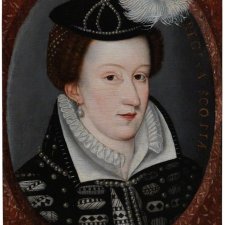
Angus's latest Trumbology is accompanied by the following caveat: 'This one is reeeeeeally geeky.'
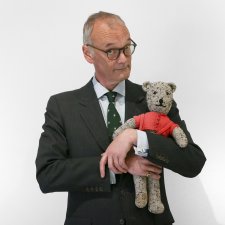
Just in time for Christmas, Angus reflects on the most special present he has ever received.
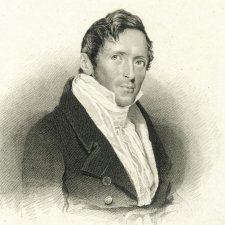
Angus delves into the biographies of two ambitious characters; Sir Stamford Raffles and Sir John Pope-Hennessy.
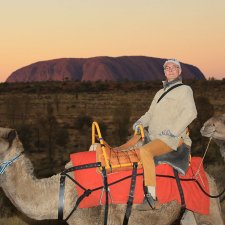
Angus' initial perception of Uluru shifts, as he comes to see it as central to the entire order of Anangu life.
The first index I created was for my first book, and, to my astonishment, that was almost twenty-five years ago.
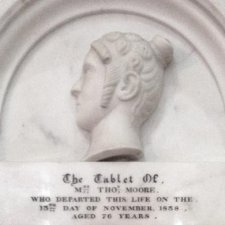
Beyond the centenary of the ANZAC landings at Gallipoli, a number of other notable anniversaries converge this year. Waterloo deserves a little focussed consideration, for in the decades following 1815 numerous Waterloo and Peninsular War veterans came to Australia.
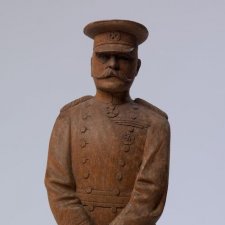
Once central to military strategy and venerated in patriotic households, Lord Kitchener is now largely forgotten.
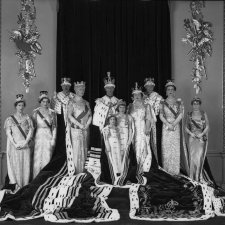
I keep going back to Cartier: The Exhibition at the National Gallery of Australia next door, and, within the exhibition, to Princess Marie Louise’s diamond, pearl and sapphire Indian tiara (1923), surely one of the most superb head ornaments ever conceived.
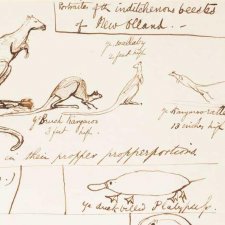
A remarkable undated drawing by Edward Lear (1812–88) blends natural history and whimsy.
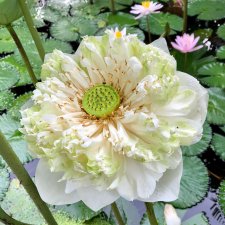
I spent much of my summer holiday at D’Omah, on the outskirts of Yogyakarta. Lotus and waterlilies sprout in extraordinary profusion in artful ponds amid palms and deep scarlet ginger flowers.
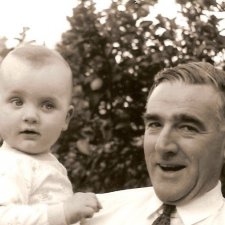
That principle of equity of access has ever since been a noble aspiration for all public art museums, as it is for us here at the National Portrait Gallery.
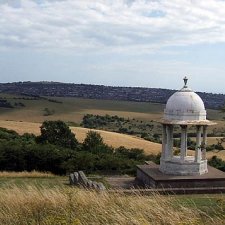
In the earliest stages of the Great War, the Royal Pavilion in Brighton was turned into a military hospital, and arrangements made there to accommodate the different dietary and other requirements of Hindu, Sikh and Muslim patients.