
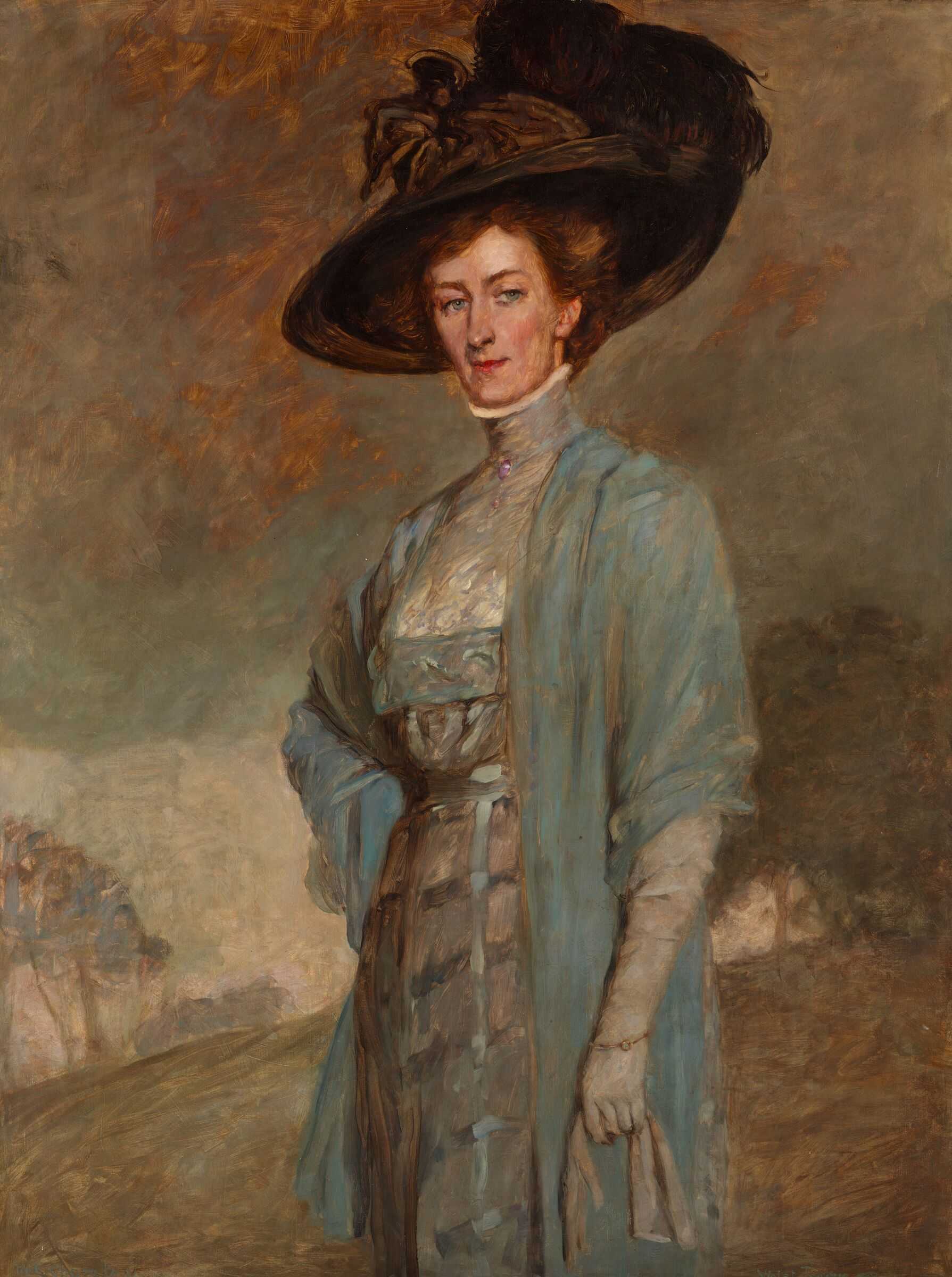
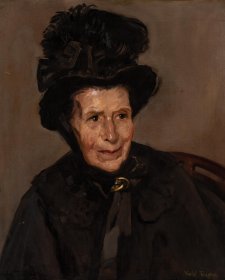
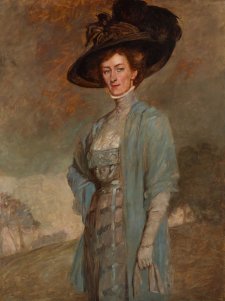
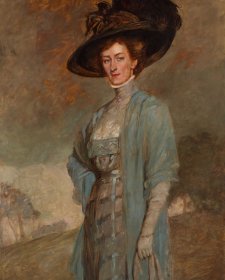
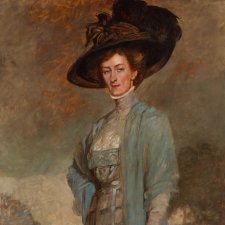
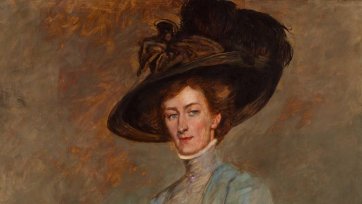
Violet Teague was one of Australia’s leading portrait painters in the early 20th century. She established an international reputation through exhibitions in Paris, London and San Francisco, while also pioneering the use of Japanese-style woodblock printing in Australia and advocating for the arts through the Victorian Arts and Crafts Society (VACS). Teague’s portraits are distinguished by their sophisticated depictions of confident, independent women, such as charity worker, arts patron and feminist Mary Chomley OBE (1871–1960). This elegant and assured portrait was a highlight of the artist’s 1909 solo exhibition at Melbourne’s Guild Hall. Chomley was a founder of the VACS, where she met Teague, and secretary of the committee that organised the First Australian Exhibition of Women’s Work in Melbourne in 1907, now recognised as a landmark in the history of women’s art in Australia. After travelling to England in June 1914, Chomley was prevented from returning home by the outbreak of the First World War. She threw herself into teaching English to refugees and in 1916 she joined the Australian Red Cross, coordinating a team of volunteers to distribute thousands of parcels to Australian prisoners of war. Chomley later advocated for working women and supported opportunities for British women migrating to Australia. Teague’s portrait predates much of this work, yet its poised and self-possessed depiction of Chomley anticipates, and images, the determination that would later define her public life.
Purchased with the assistance of funds provided by Jillian Broadbent AC 2021
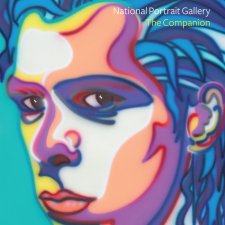
On one level The Companion talks about the most famous and frontline Australians, but on another it tells us about ourselves.
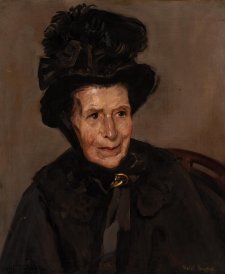
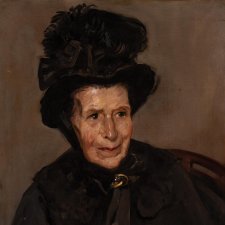
Joanna Gilmour profiles Violet Teague, whose sophisticated works hid her originality and non-conformity in plain sight.
Jennifer Higgie uncovers the intriguing stories behind portraits of women by women in the National Portrait Gallery’s collection.